

∞
Built for founders who won't cut corners
Scale without sacrificing your values
Show that growth and integrity go hand in hand.
You're expanding. Supply chains are restructuring, you're bringing on new team members, opening doors in unfamiliar places. The real question isn't if you'll grow — it's whether you can expand while keeping the core of what you created intact. Most founders think it's impossible. They're not right.
OrbitMeadow helps you map out, shape, and communicate growth that builds instead of drains. We pull from biomimicry principles (the way natural systems actually organize themselves) and pair it with practical emerging tech — regenerative supply chain platforms, circular economy models, AI that predicts demand patterns — so you can show your investors and stakeholders that scaling and staying true to your mission aren't at odds. They're just a design challenge worth solving.

What growth actually looks like
What does scaling a regenerative business look like when you drop the shortcut fantasy? Here's the work as it happens—supply chains getting mapped out, decisions getting written down, teams figuring out how to talk about expansion in ways their competitors aren't.
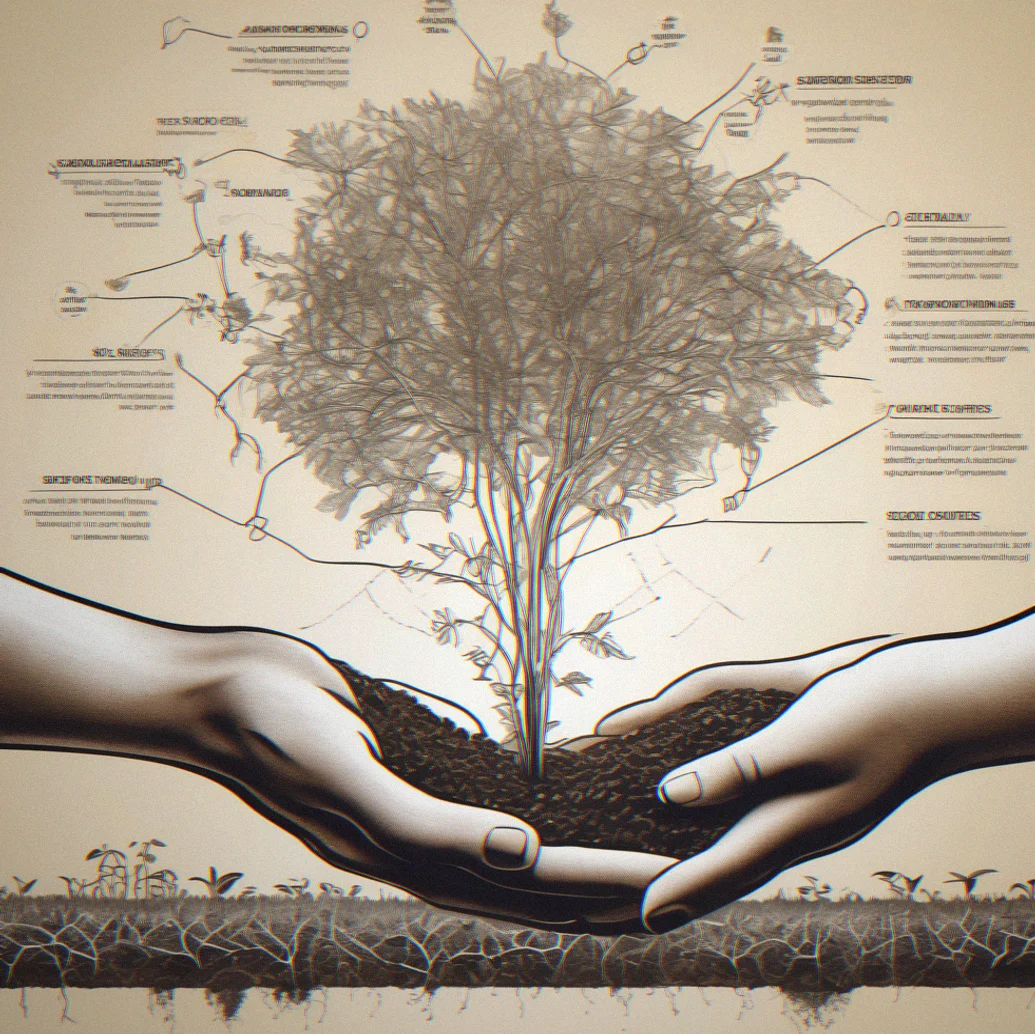
Traceability starts here. Not with some software tool—with actual vetting of partners and sourcing relationships you can defend as you grow.
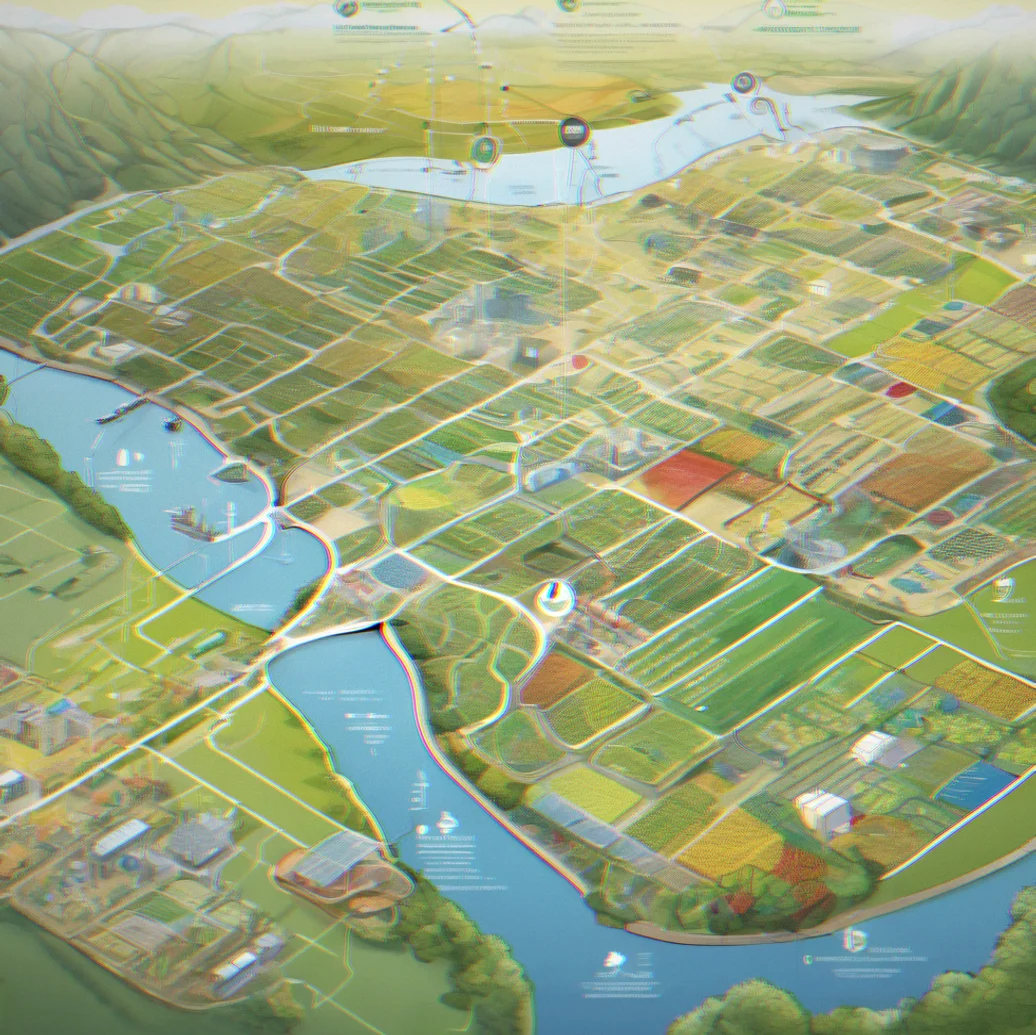
What you actually need to build. Distributed supply chakns that stay redundant but don't bloat. More moving pieces. Clearer story.

This is the conversation that matters. Growth that's operational, not just a line on a spreadsheet. People know why you're expanding the way you are.
What we're actually working on
Nothing theoretical here. Fuonders come to us with real supply chains, real decisions about how to scale, real communication challenges. We help them see what's already working, figure out what needs to shift, and communicate it in a way people actually remember.

Supply chain mapping
A visual map of a coffee importer's supplier network spread across three continents. The connections between farmers and the company are color-coded based on how resilient they are and how efficiently they use water.

Circular model design
Spreadsheet and flowchart tracking how a textile startup designed their circular economy model. You can see where materials come from, where waste goes in production, how their take-back program works and what regenerative fibers cost per unit.

Growth strategy framework
A team presentation deck showing biomimicry principles like redundancy, local adaptation, and using waste as food. These are mapped onto a roadmap for scaling, with tech milestones and timelines for keeping stakeholders in the loop.
How it works
Connecting biomimicry to real-world scale
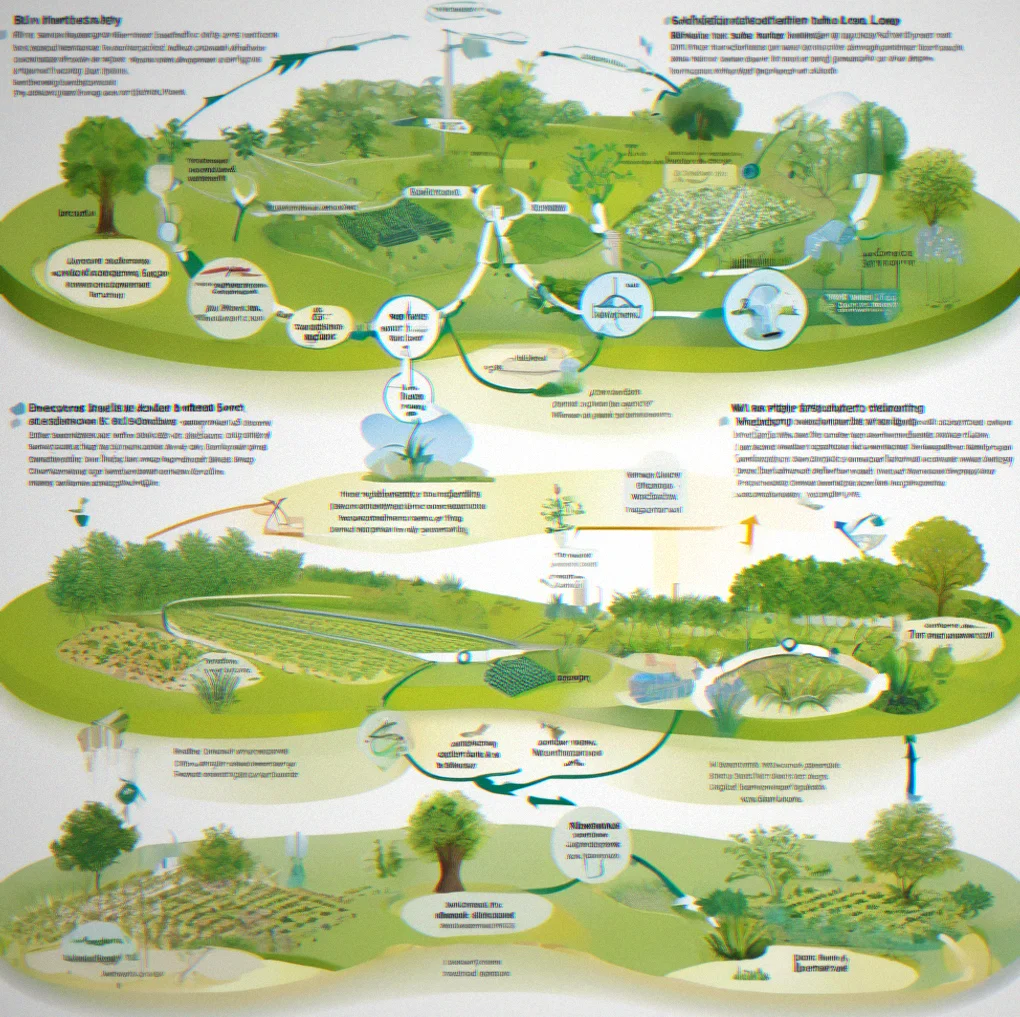
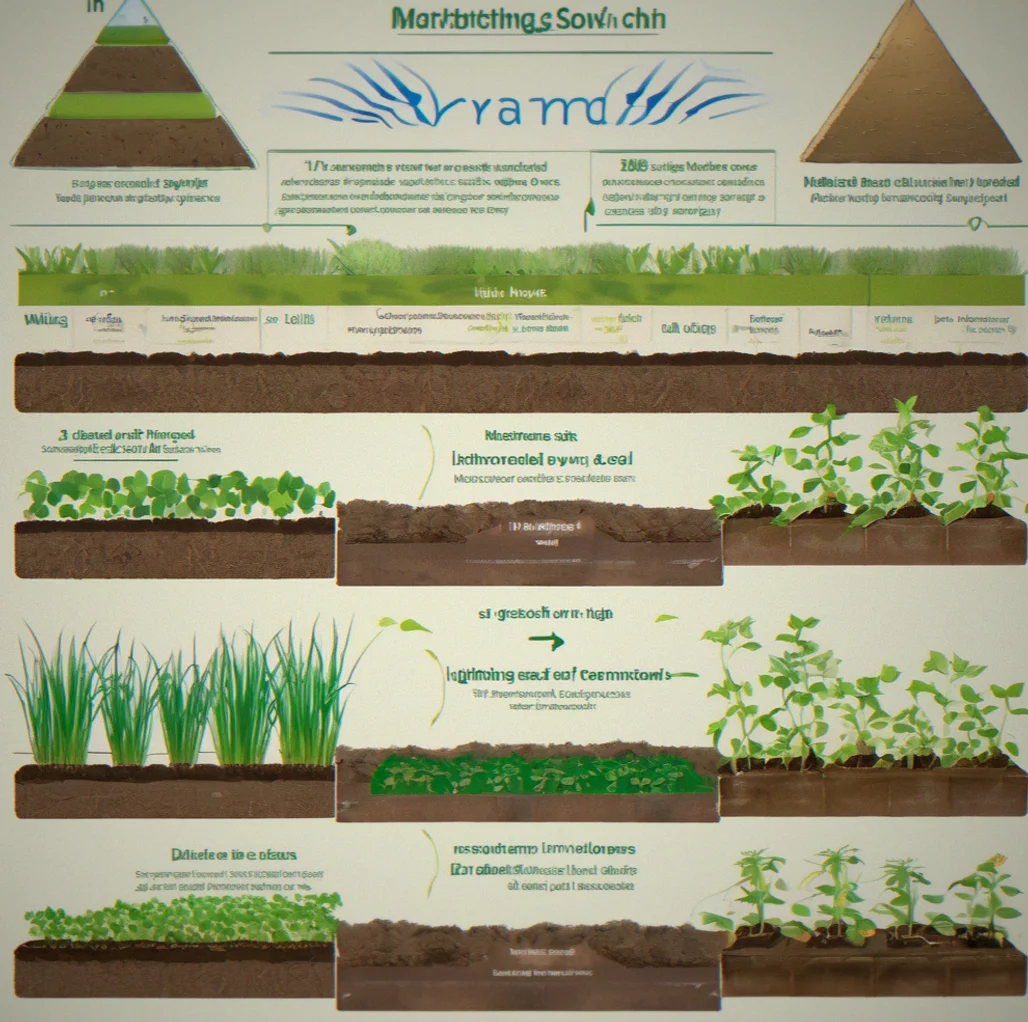
Nature doesn't grow in straight lines. A forest builds redundancy, diversity, and decisions that happen across the whole system rather than from the top down. Root networks trade nutrients through mycorrhizal fungi. Predator populations shift when prey runs low. These aren't business metaphors—they're actual operational models that hold up when things get big. Apply that same thinking to your supply chain and something strange happens: the more spread out your sourcing, the harder you are to break. Add feedback loops (real-time demand from retailers flowing back to manufacturers) and suddenly you're not making stuff you'll never sell. This isn't slow growth. It's growth that actually survives when things go wrong instead of collapsing under pressure.
Technology matters, but only if it's solving the real problem. A few years back, moving toward a regenerative supply chain meant hiring consultants and crossing your fingers. Now there are platforms that actually follow where materials go, AI that can forecast demand weeks ahead instead of nearly a year out, and blockchain that gives you transparency without forcing everyone onto the same system. We help you figure out which couple of tools fix your actual bottleneck. Usually it's one of three things: you can't see what's really happening across your chain, your forecasts are too far off or your partners can't coordinate effectively. You don't need a massive software stack. You need the right couple of tools that turn your scaling story from something vague into something concrete. Something you can show investors, customers or a new team member and say: here's exactly how we grow without running out of what we depend on.
What shifts when you work with us
Six things that change when you stop keeping growth separate from how you actually operate.
Supply chain visibility
Most founders have no idea who their tier-2 suppliers are. That gap is where problems hide. We map the whole thing from raw materials to disposal so you know where you're already solid and where you're vulnerable. Then you can talk about it with anyone who needs to know.
Biomimicry audit
Your strategy probably already has regenerative thinking built into it. You've just never labeled it that way. We find where you're already building redundancy, spreading out decision-making, or creating feedback loops. That's your starting point.
Emerging tech roadmap
You don't need every tool. One founder cut overproduction through demand forecasting software. Another used traceability tools to charge more and justify it. We figure out which couple of tools actually fix your bottleneck.
Investor-ready narrative
Growth without cutting corners isn't just nice to say. It's a real business edge. Capital flows differently toward resilience than toward volume alone. We show you how to explain yours.
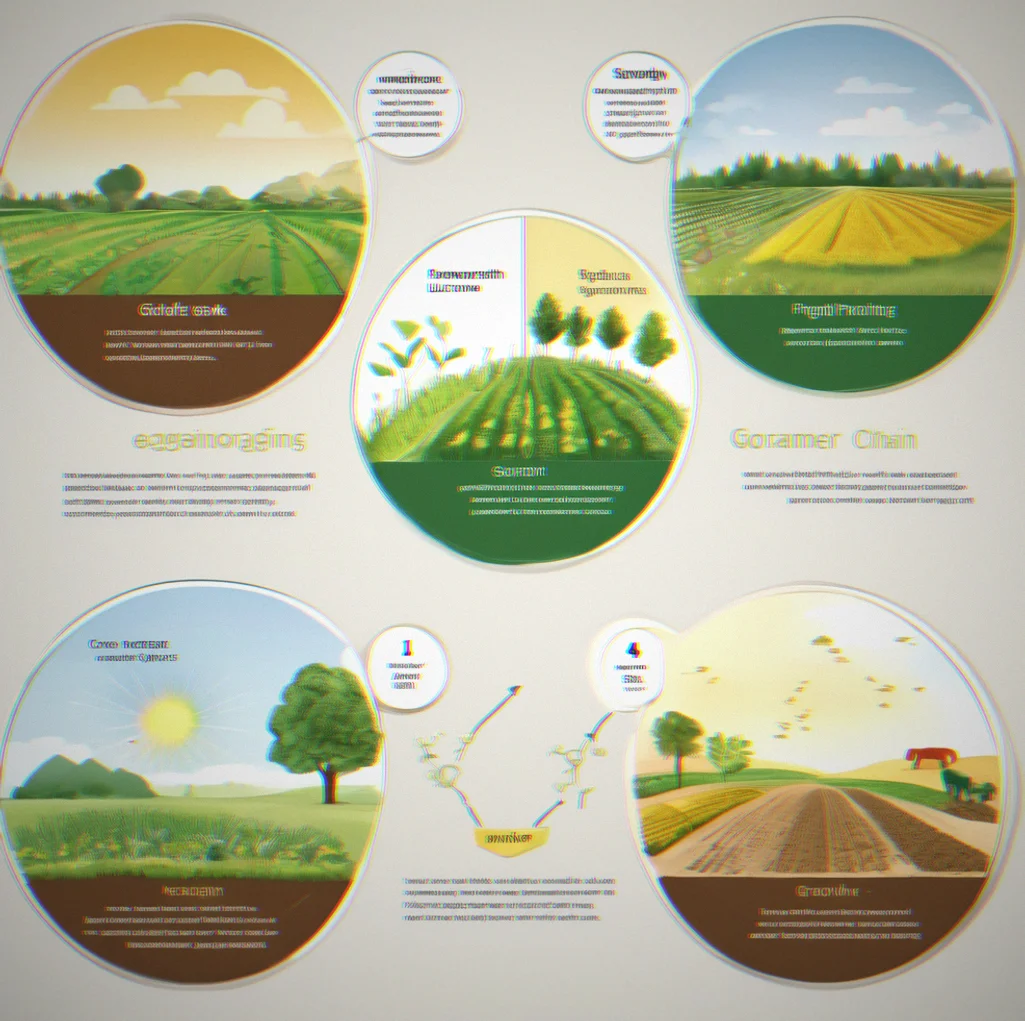
Stakeholder alignment
Your team, investors, customers, and partners all understand the same story about growth and you move faster. Not easily, but faster. Everyone hears the same message because it comes from the same model.
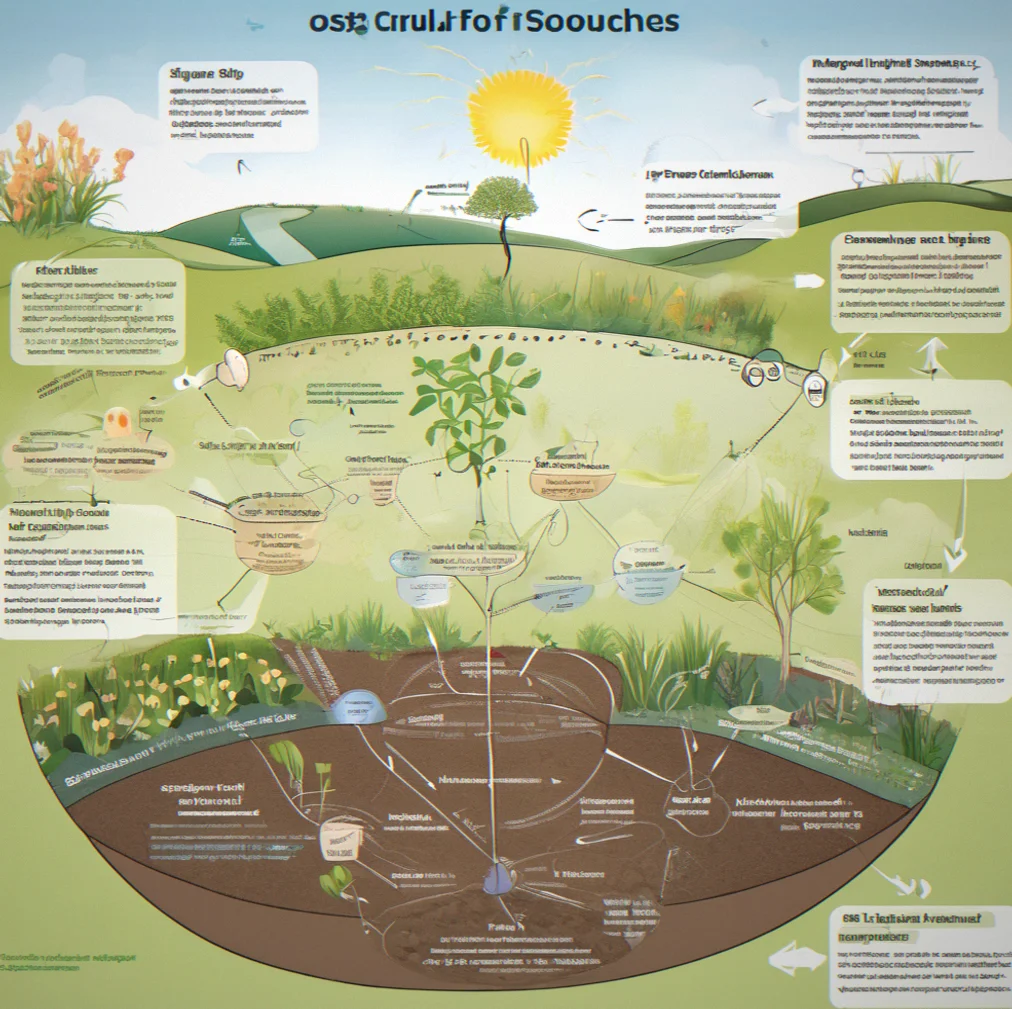
Circular economy integration
Linear systems don't hold up at scale. Waste gets ignored at small revenue. It can't be ignored at larger ones. We help you build end-of-life pathways, return programs, or material recovery that work economically as you grow.
The work in context
Real growth shows up when you actually look at what keeps things running. This is what founders and their teams do once they stop looking for shortcuts — and it matters.

Biomimicry framework session

Tech integration planning

Stakeholder communication prep

Circular economy design

Growth roadmap review
EIGHT
Eight things founders actually need
Not theory. Not checklist items. The specific work that separates founders who scale with integrity from those who just scale.
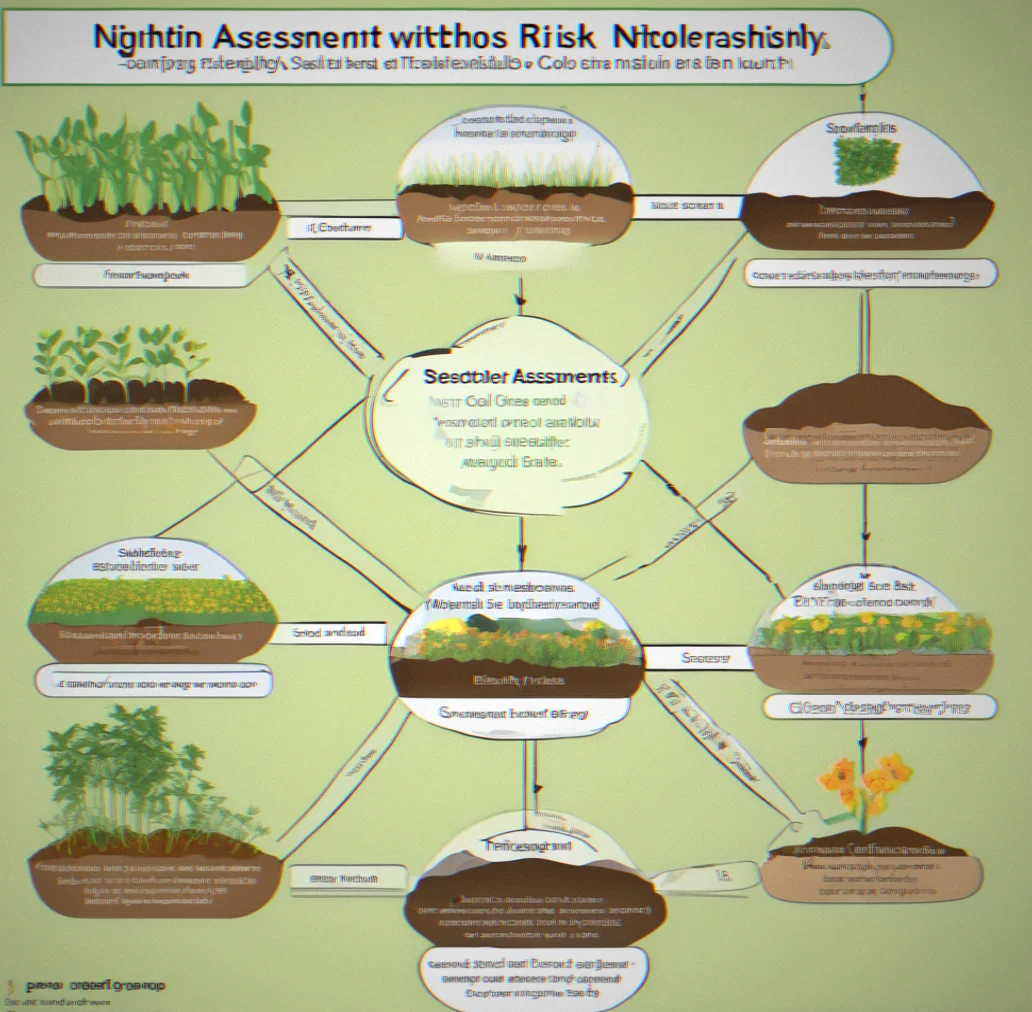
Tier-2 and tier-3 visibility
You probably know your direct suppliers. But their suppliers? That's where the real problems live — labor risk, environmental exposure, the stuff that breaks your supply chain. We help you map backwards so you see what you're actually dependent on.
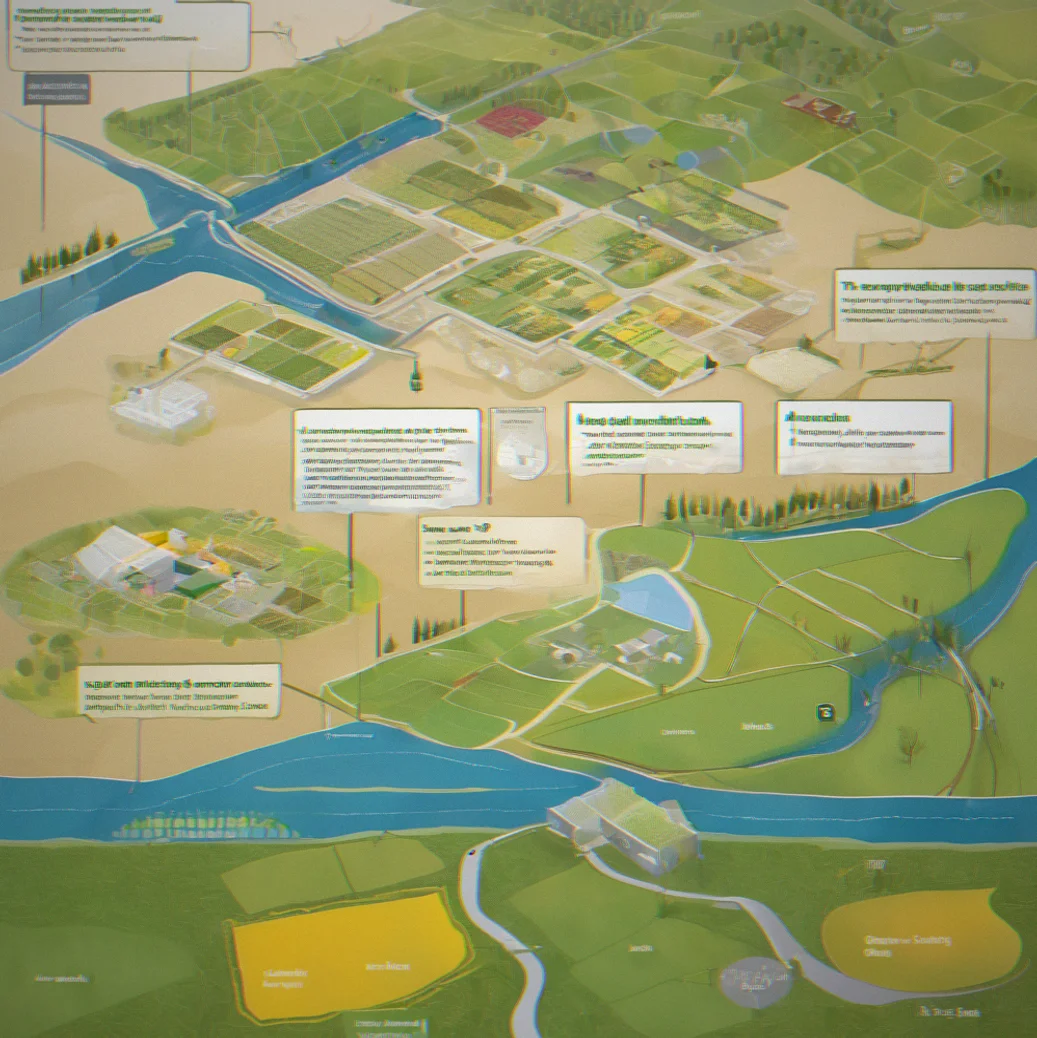
Redundancy without bloat
Resilience sounds expensive until you realize it's just smart supply chain design. Multiple origins for key materials, distributed manufacturing partners, local fallbacks — these reduce your risk *and* your inventory carryign costs. That's the biomimicry piece.
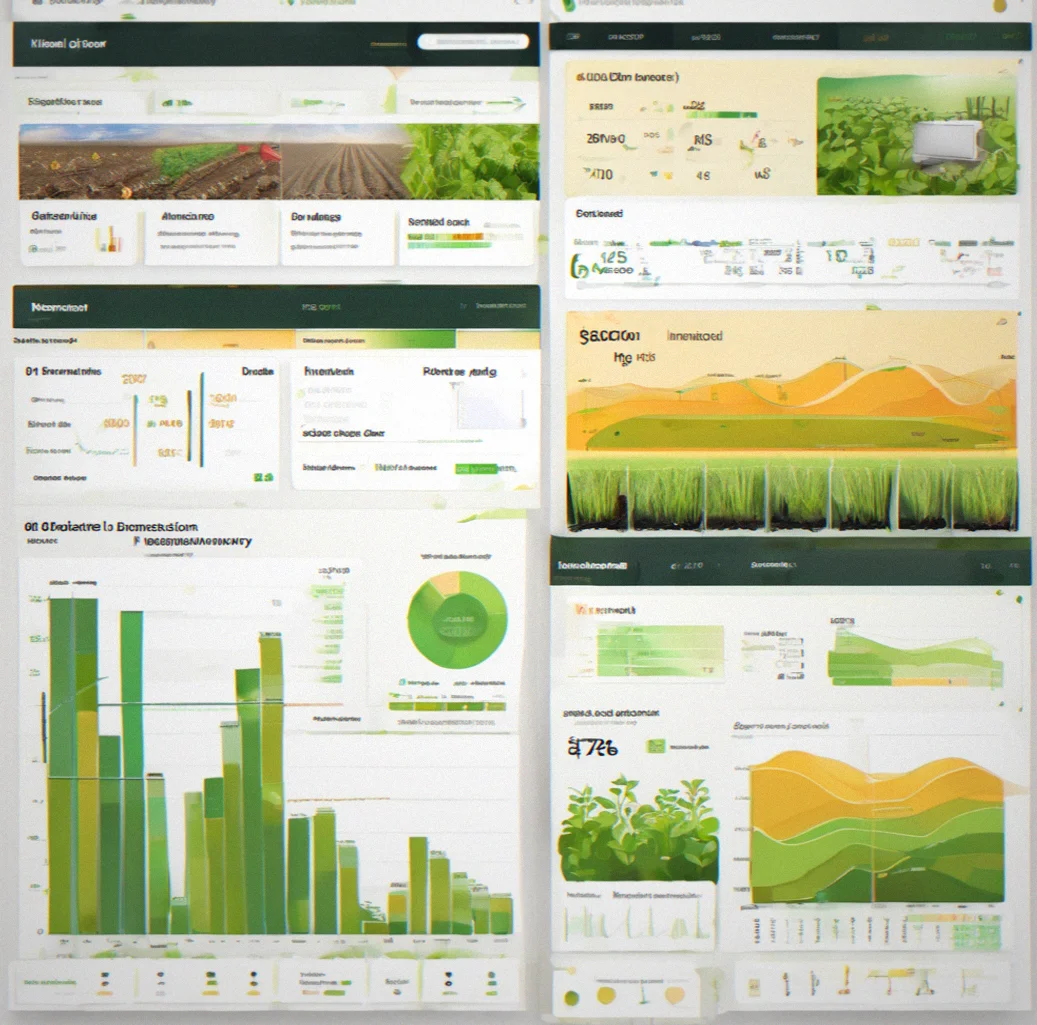
Demand forecasting that actually works
Overproduction kills margins and inventory. Under-production kills growth. AI demand forecasting — using point-of-sale data, seasonal patterns and laeding indicators — cuts the gap. Most founders we work with see their overstock drop by around 15 percent in the first half-year.

Traceability that sells
And it costs less than you'd think. Blockchain, IoT tags, QR codes — pick whatever fits. The point is customers see where something came from, how it was made, what happens next. That story justifies premium pricing.
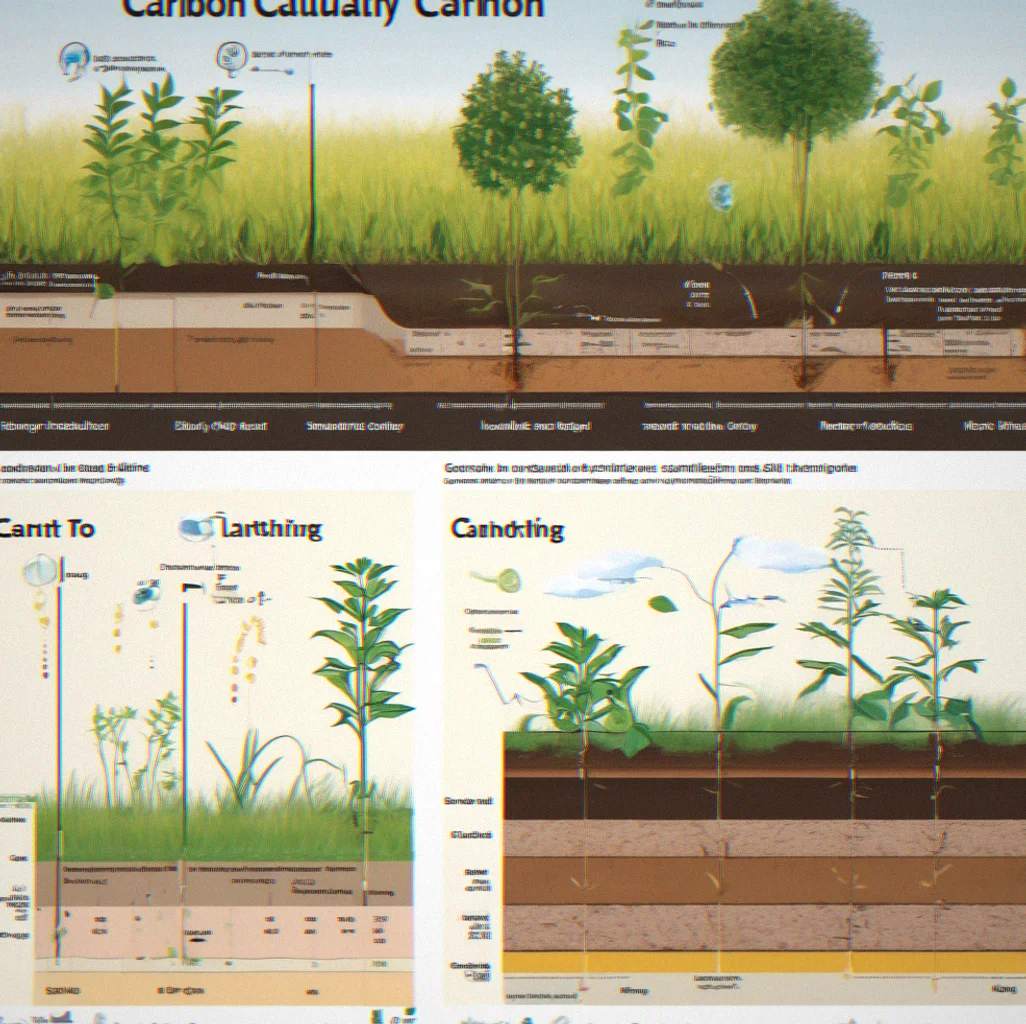
Carbon accounting infrastructure
You need actual numbers, not vibes. Scope 1, 2, and 3 emissions. Footprint per unit. Baseline vs. target. When you can talk to investors, customers, and partners in real carbon metrics — not just 'we're working on it' — the conversation changes.
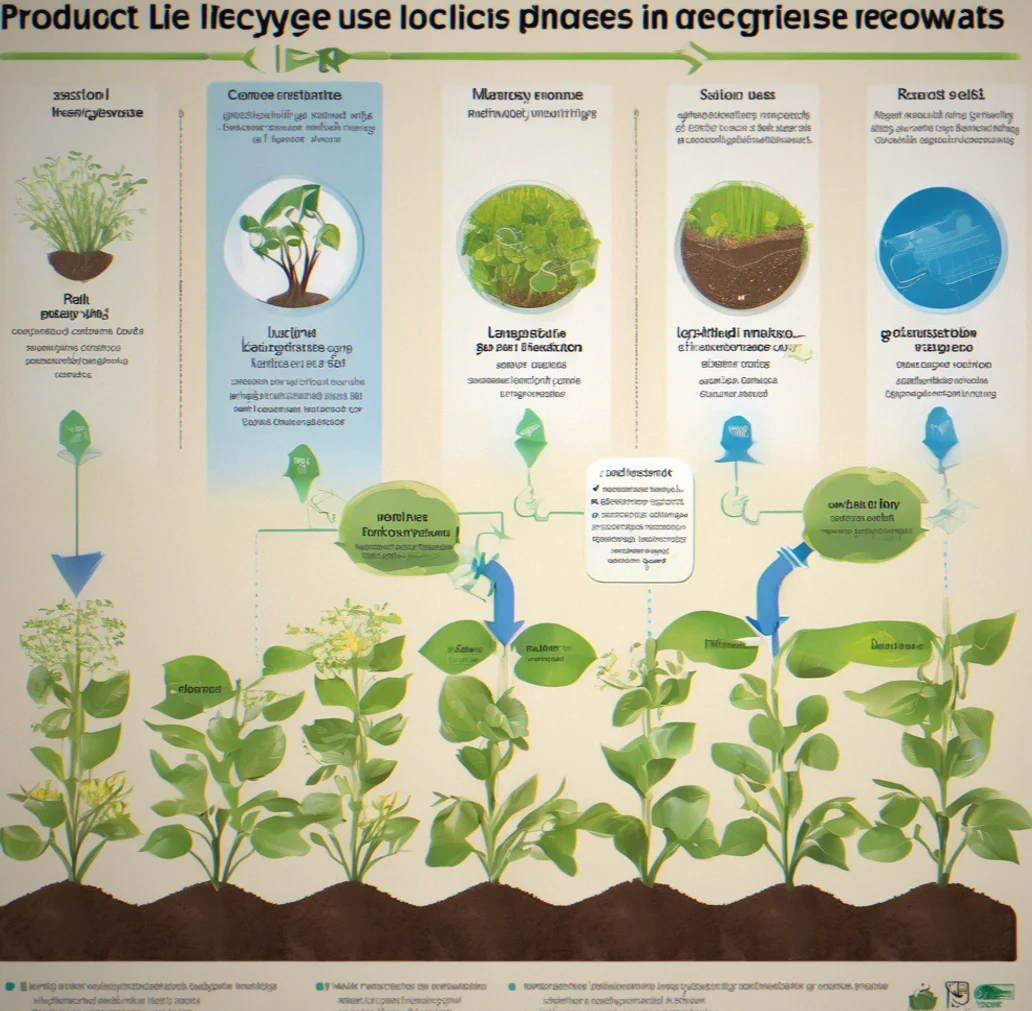
Circular design from the start
Retrofitting take-back programs costs way more than designing for circularity upfront. Material selection, durability specs, disassembly instructions, partner logistics for returns — get these decisions right early and your unit ecknomics follow.
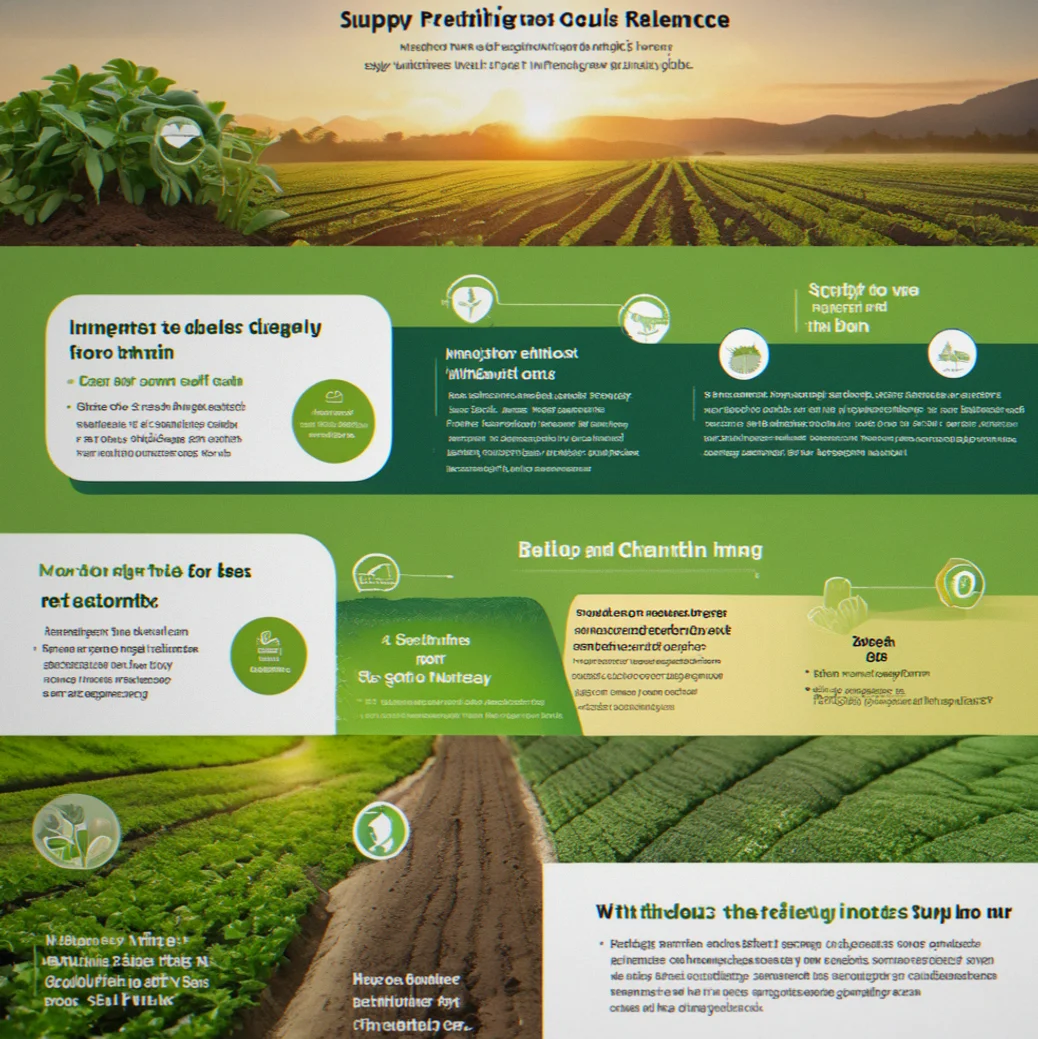
Pitch clarity for different audiences
Investors care about resilience and margin expansion. Customers care about provenance and impact. Partners care about stability and growth trajectory. Same story, different angles. We help you tell it three different ways without contradicting yourself.
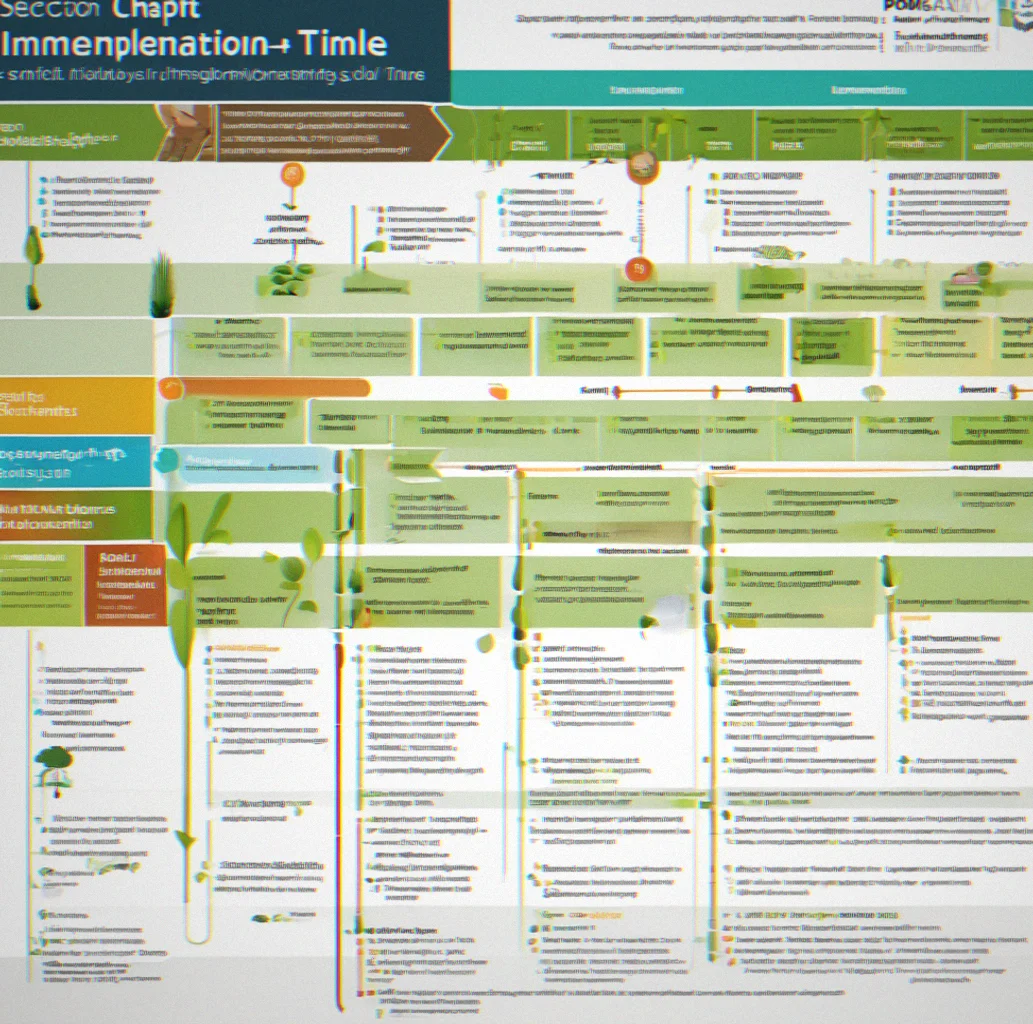
Implementation roadmap
You don't do all this at once. First month is audit and visibility. Next couple months you pick your top tech constraint and solve it. After that you build communication around what's working. Realistic sequencing beats perfect planning.
Supply chain mapping that sticks
You get a working document — not a 40-page report. Visual map of your sourcing, manufacturing and logistics showing where you're already resilient and where you're exposed. Then you actually use it.
Growth strategy rooted in biomimicry
Your expansion plan gets audited against how natural systems actually scale. Redundancy without waste. Distributed decision-making. Feedback loops that prevent overproduction. You're not slowing down — you're designing smarter, which turns out to be faster.
Tech roadmap built on constraint
Not a list of ten tools you should buy. Instead you get the couple of tools that actually solve your bottleneck. Demand forecasting, traceability, carbon accounting, regenerative data platforms. Pick what moves the needle.
Stakeholder communication that works
Investors, customers, partners, and your team all hear the same growth story. Just angled to what matters to each of them. That consistency is what lands.
Circular economy integration plan
End-of-life pathways, take-back logistics, material recovery, regenerative inputs — baked into your model from the start instead of tacked on later. Planning it upfront costs way less than retrofitting once you've scaled.
Implementation you can actually execute
Month-by-month roadmap with realistic sequencing. You start by getting visibility, then run one tech implementation, then build communication around what's actually working. No endless planning cycles.
Questions
What founders actually want to know
Real questions from people trying to figure out if this works for their situation. No spin, just direct answers.
No. We're not helping you hide growth behind sustainability language. We're helping you actually design growth differently — which costs money upfront but saves money downstream through reduced inventory waste, lower overproduction, and supply chain resilience. A coffee importer we worked with cut overstock by nearly a fifth in four months. That's not marketing. That's operational improvement you can show on a P&L.
Depends on what you mean by results. Communication changes immediately once strategy is done — your pitch becomes clearer, stakeholder conversations shift. Operational changes take longer. Supply chain integration happens over several months. Most founders see early wins within the first quarter: clearer investor conversations, better team alignment on what growth means, and the start of margin expansion through inventory optimization.
Start small. Month one you get a supply chain audit and visibility into your actual constraints — that costs time but not much else. Month two you pick one technology that solves your specific bottleneck, not five tools that sound good. By month three you have communication templates you can actually use. Build from there based on what moves the needle.
Then we help you redesign it. That's part of the work. If hitting your revenue target requires extractive practices, we'll tell you, and then we'll help you find a different trajectory. Harder than greenwashing. More valuable.
Full audit, strategy, and three months of implementation support typically runs between eight and eighteen thousand. A sustainability consultant on salary costs eighty to a hundred twenty thousand plus benefits plus onboarding time. If you need ongoing guidance beyond the initial period, that's when an internal hire makes sense. If you need strategy first and want to see if it sticks, work with us first.
Yes. Complexity is where this works best. Larger operations have more supply chain nodes and logistics costs and regulatory exposure — which maens more leverage points for improvement. We've done this with founders at two million and founders at fifty million. The principles scale. The specifics change.
Let's talk about what comes next
You'll hear back within a day.
We ask before we sell.
Twenty minuutes to see if this makes sense for both of us.
You'll leave with something concrete you can use.
What you tell us stays between us.